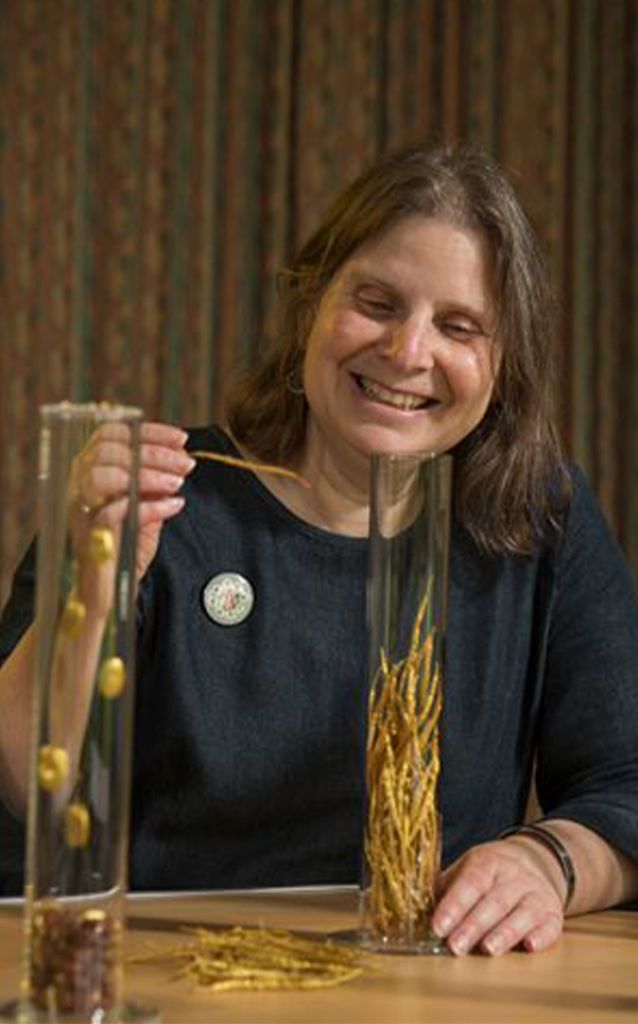
The gathering of large amounts of information, images and objects through intensive research is a core methodology within Lyndall Phelps’ art practice. So too is the investigation of collections, both historical and contemporary, in archives and museums. Collaboration is another key element; she regularly engages with diverse specialists who are either professionals in their field or enthusiastic amateurs. These processes have resulted in much of her work being site or context specific, in museums, heritage locations and public spaces.
Phelps aims to unearth less visible material from the past, and re-present it through narrative driven installations. The social history of an object and how it connects to humanity, and the endeavors of individuals are of particular interest, especially when the narrative surrounding them conveys fragility and vulnerability, or alternatively healing and protection. Many works are meticulously hand-made over a considerable period, often requiring the repetition of a single action. Material choices are highly considered, and the media used in each project is influenced by the research. Her art is quiet and contemplative, it invites curiosity and intrigue.
Phelps has exhibited widely throughout Australia and the UK, solo exhibitions including Re-collect, Grafton Regional Gallery (2022); Flutter, St Albans Museum + Gallery (2018); Covariance, Institute of Physics, London (2013); Softkill, University of Hertfordshire Galleries (2011); The Pigeon Archive, Lismore Regional Gallery (2011) and Milton Keynes Gallery (2009); Touch, Leamington Spa Art Gallery and Museum (2010) and Knit one purl one, Canary Wharf, London (2009).