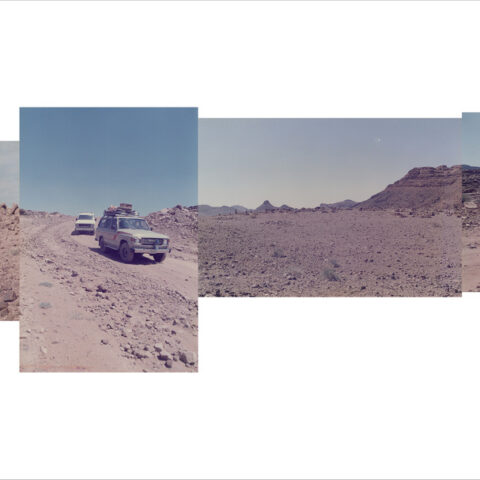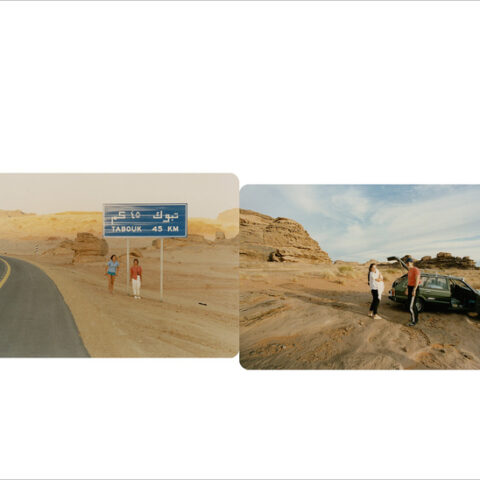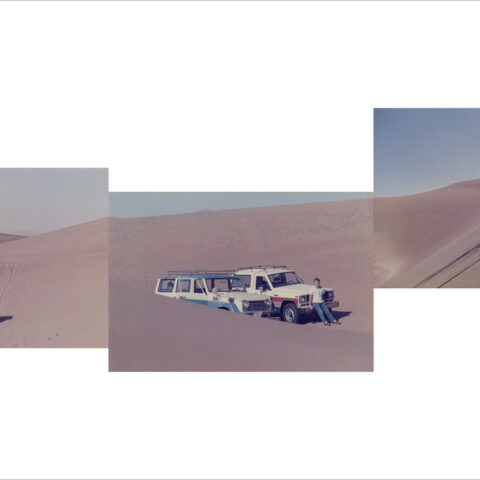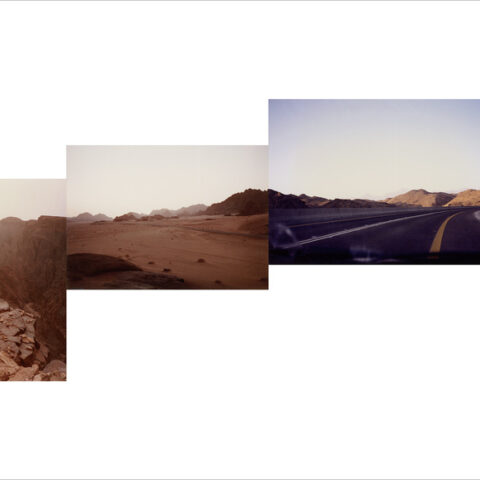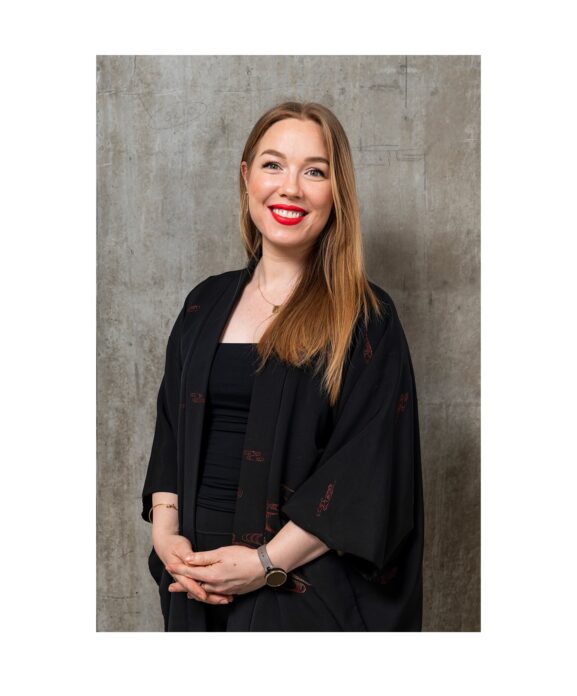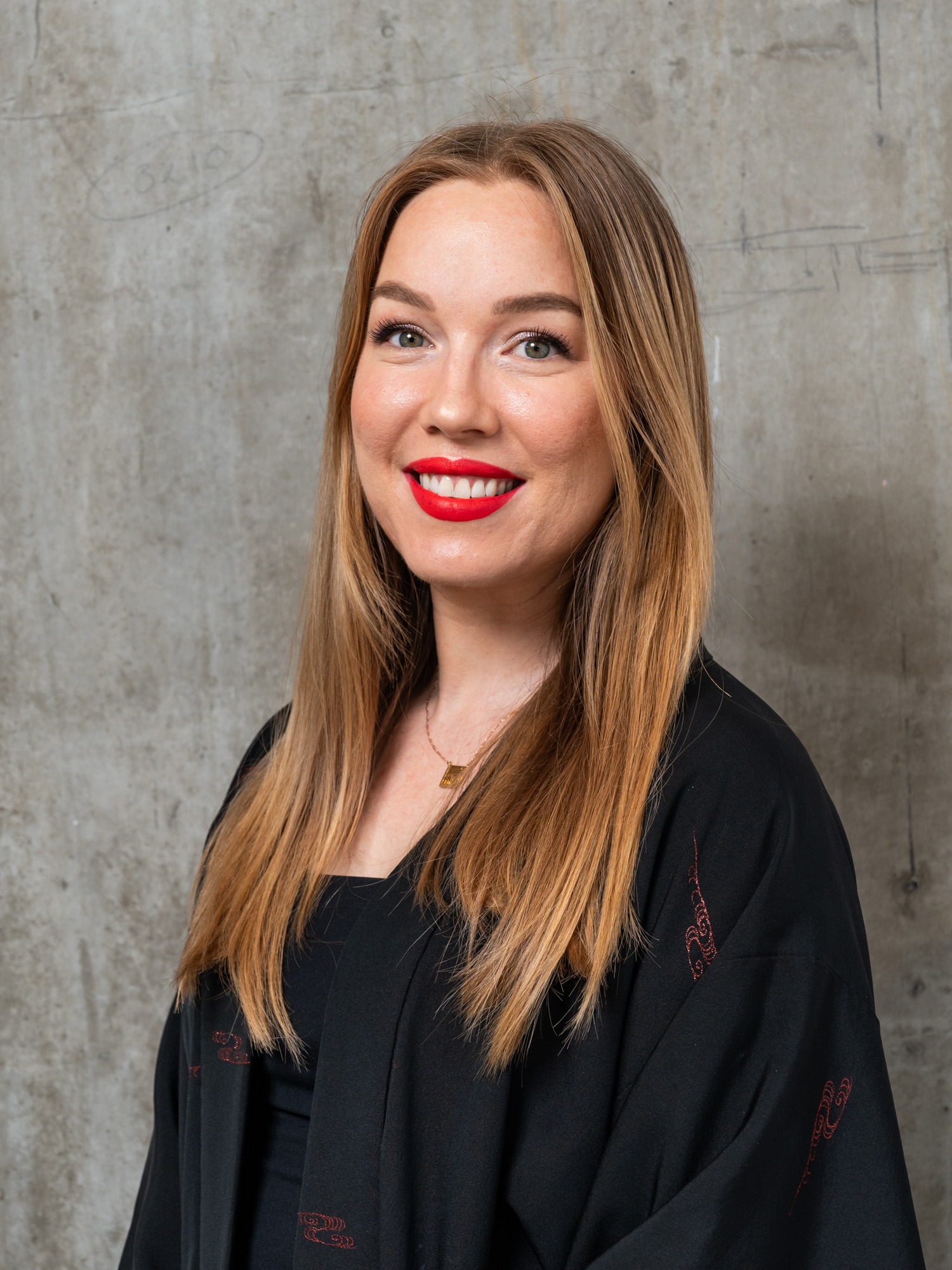
Elysha Rei (b. 1986, Tabuk, Saudi Arabia) is a Japanese Australian artist based in Brisbane, Australia. Her work investigates the intersections of memory, identity, and belonging through the versatile medium of paper -often expanding into large-scale public artworks. Known for her meticulous hand-cut designs, Rei creates site-specific installations that weave together archival narratives, historical research, and cross-cultural identity.
Rei holds a Bachelor of Visual Arts from the University of Southern Queensland (2008), and an MBA (2018). Her works have been exhibited widely across Australia and internationally. Recent shows include DIS-displaced, dispersed, dispossessed (2026) at UVic Legacy Art Galleries, Victoria BC Canada; the International Paper Biennale Global Papier 6(Germany, 2024), and was commissioned by Brisbane Quarter (2025), PUNQ Festival (2024), Japanese Canadian Cultural Centre (Toronto, 2023), BrisAsia Festival (2023, 2016), The Westin Brisbane (2018), QIC Toowoomba (2017), Brisbane City Council (2018, 2020), and Warwick Regional Council (2019).
In 2025, Rei represented Artisan Queensland Craft and Design at the Australian Pavilion at World Expo 2025 Osaka, participating in the cultural delegation Weaving Tomorrow’s Stories: Queensland’s Contemporary Craft and Design.
Rei has undertaken several residencies including with the Brisbane Powerhouse (2023), Past Wrongs Future Choices(University of Victoria, Canada, 2023), Tiffany & Co. Brisbane City (2022), Artspace Mackay (2020), Barcaldine Arts Council (2019), Asialink Arts Creative Exchange in Japan (2018), and the inaugural Artist-in-Residence at the Museum of Brisbane (2017).
Her works are held in the collections of the Shayher Group’s Brisbane Quarter, Japanese Canadian Cultural Centre, Toowoomba Regional Art Gallery, QIC, The Westin Brisbane, Warwick Regional Council, Brisbane City Council, and The Japanese House in Ingham.
From 2022-2025, Rei was appointed the inaugural Chair of Nikkei Australia, reflecting her leadership within the Japanese Australian community. She has also contributed to academic and curatorial research on Japanese Australian artists and continues to collaborate on international projects that connect art, archives, and diaspora histories.
Before dedicating herself fully to her arts practice, Rei founded the Sam Rit Residency in rural Thailand (2014) and co-founded the artist-run initiative, Made Creative Space Toowoomba (2011–2013). Her evolving practice continues to bridge cultural narratives and personal histories through the delicate yet powerful medium of paper -translating its intricacy and symbolism into both intimate and monumental forms.